October 31, 2026
Countertops play a significant role in defining the appearance, functionality, and overall atmosphere of a kitchen. Whether you prefer the sleek simplicity of modern design or the timeless elegance of traditional materials, selecting the right countertops can transform your space. Beyond aesthetics, countertops must withstand daily activities while complementing cabinetry, flooring, lighting, and other design elements.
Choosing between modern and traditional countertops involves more than identifying an attractive surface. Each style offers distinct advantages regarding maintenance, durability, customization, and long-term appeal. Working with an experienced kitchen contractor can help homeowners evaluate these considerations and select materials that align with their lifestyle and remodeling goals.
Understanding Modern Countertop Designs
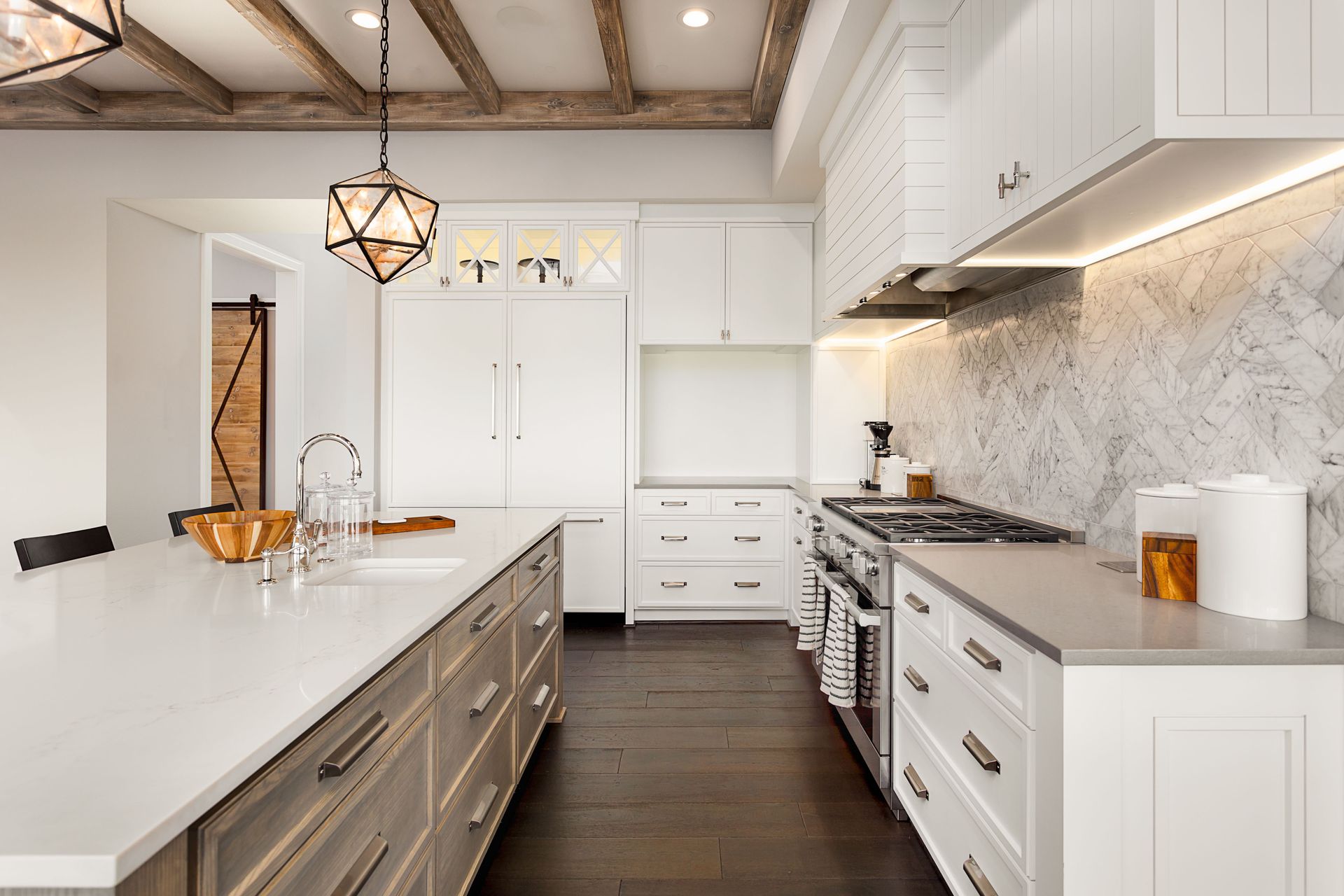
Modern countertops emphasize clean lines, understated details, and streamlined surfaces. These designs often feature neutral colors, subtle patterns, and finishes that contribute to an open, uncluttered appearance. Materials such as engineered quartz, concrete, porcelain, and solid surfaces are commonly associated with contemporary kitchens.
Quartz is particularly appealing because it offers consistent patterns and a wide selection of colors. Its nonporous surface also makes routine cleaning relatively straightforward. Porcelain provides another contemporary option, offering resistance to heat and stains when properly manufactured and installed.
A kitchen contractor can help determine whether these contemporary features complement the existing architecture or would benefit from additional remodeling updates. The goal is to create a balanced environment rather than introduce design elements that feel disconnected from the surrounding space.
Understanding Traditional Countertop Designs
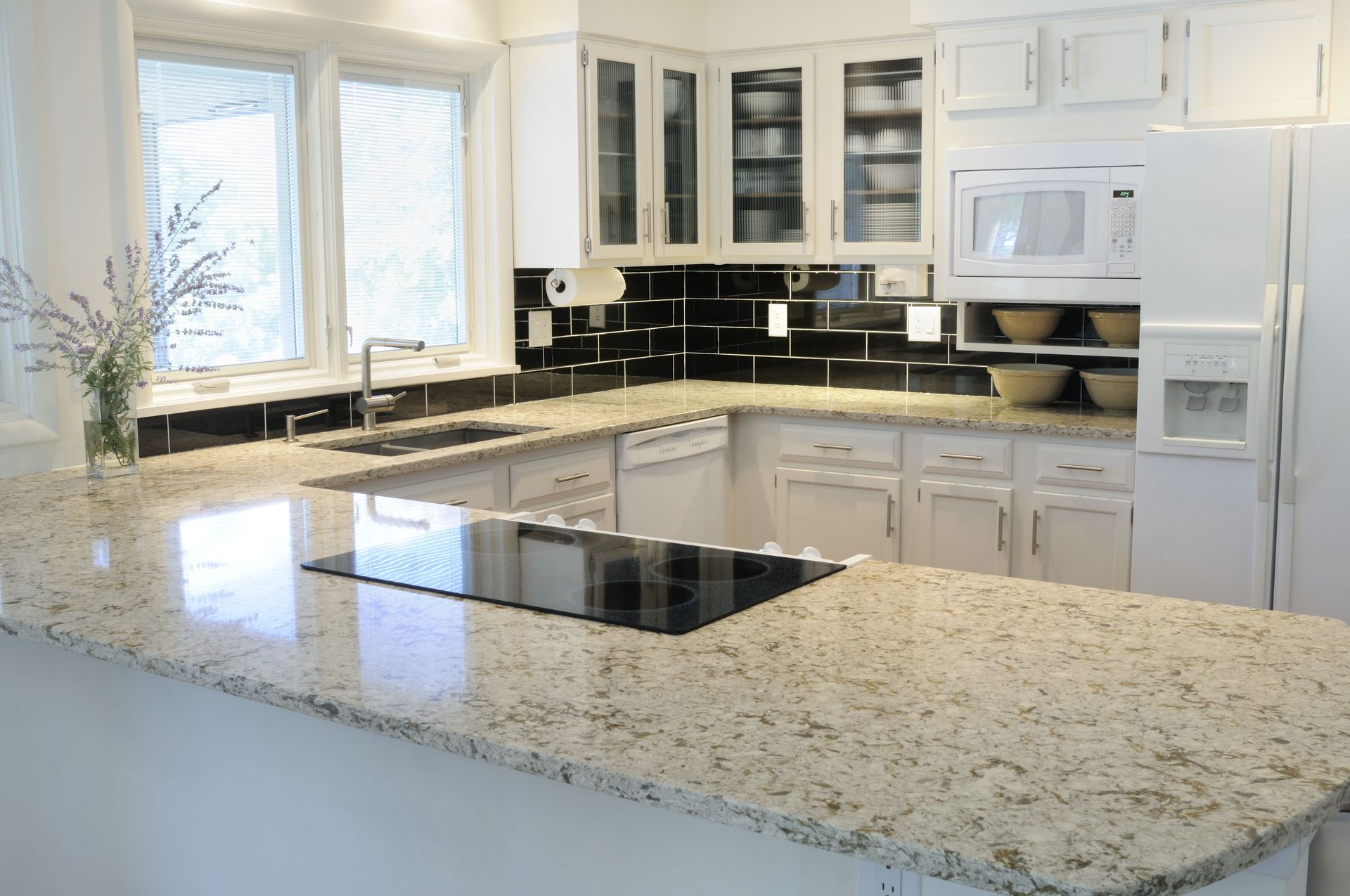
Traditional countertops emphasize warmth, character, and familiar design details. Natural stone materials such as granite and marble are popular choices because their distinctive veining and color variations introduce visual depth.
Granite offers durability and natural patterns that complement wood cabinetry, decorative hardware, and classic kitchen layouts. Marble provides an elegant appearance, although its porous composition requires additional attention to prevent staining and surface damage.
Traditional kitchens may also incorporate butcher block countertops, which introduce natural wood tones and a welcoming atmosphere. These surfaces work particularly well in kitchens featuring farmhouse, rustic, or transitional design elements.
An experienced kitchen contractor can evaluate how these materials interact with existing cabinets, backsplashes, and architectural details. Thoughtful material selection helps preserve the kitchen’s character while improving everyday functionality.
Comparing Countertop Materials and Durability
Durability should be a major consideration when comparing modern and traditional countertops. Kitchens experience frequent exposure to moisture, food preparation activities, cleaning products, and temperature changes. Selecting materials suited to these conditions helps protect the investment.
Engineered quartz is often favored for its resistance to staining and relatively low maintenance requirements. However, excessive heat can damage its resin components, making appropriate surface protection important.
Granite is known for its strength and heat resistance, although many varieties benefit from periodic sealing. Marble offers distinctive visual appeal but is more susceptible to scratching and etching from acidic substances.
Porcelain countertops provide excellent resistance to heat and ultraviolet exposure. However, their edges may be vulnerable to chipping under significant impact, depending on the product and installation.
A knowledgeable kitchen contractor can explain these differences and recommend materials based on household activities. Families who cook frequently may prioritize durability, while homeowners focused on entertaining might place greater emphasis on appearance and presentation.
Comparing Countertop Colors and Finishes
Color and finish significantly influence how countertops interact with the surrounding kitchen. Modern designs commonly incorporate white, gray, charcoal, and other neutral shades. These colors create a streamlined appearance and pair well with minimalist cabinetry and contemporary fixtures.
Matte and honed finishes are increasingly associated with understated kitchen designs. They reduce reflections and create a softer visual effect compared with highly polished surfaces.
Traditional countertops frequently showcase warmer tones, including cream, beige, brown, and natural stone combinations. Polished finishes can emphasize intricate veining and add brightness to kitchens featuring detailed cabinetry.
Lighting also affects how countertop colors appear throughout the day. Natural sunlight may highlight subtle variations, while artificial lighting can influence the perceived warmth or coolness of a surface.
Evaluating Countertop Maintenance Requirements
Maintenance expectations can influence whether modern or traditional countertops are more appropriate for a particular household. Some materials require minimal attention, while others benefit from consistent preventive care.
Quartz countertops generally require routine cleaning with appropriate household products. Their nonporous composition eliminates the need for sealing, making them attractive to homeowners seeking convenient maintenance.
Natural stone surfaces may require more specialized attention. Granite often benefits from sealing when recommended for the specific stone, while marble requires careful cleaning to minimize etching and discoloration.
Butcher block countertops introduce additional considerations because wood responds to moisture and temperature fluctuations. Depending on the finish, periodic conditioning or refinishing may be necessary to maintain their appearance.
A kitchen contractor can help homeowners understand the maintenance responsibilities associated with different materials before installation. This guidance is particularly valuable when comparing surfaces that look similar but perform differently.
Considering Countertop Costs and Long-Term Value
Countertop pricing varies considerably based on material selection, fabrication requirements, installation complexity, and customization. Both modern and traditional designs include options across different budget ranges.
Engineered quartz can provide predictable patterns and consistent quality, although premium designs may carry higher costs. Natural stone pricing often depends on availability, slab characteristics, and fabrication requirements.
Additional design features can influence the overall investment. Waterfall edges, intricate profiles, integrated backsplashes, and specialized cutouts may require more material and fabrication labor.
Countertop upgrades are also a common priority during kitchen renovations. In fact, according to the Houzz 2026 Kitchen Trends Study, 91% of homeowners decide to replace or improve their countertops when renovating their kitchens.
Working with a kitchen contractor helps homeowners evaluate the complete project rather than focusing exclusively on material prices. Installation quality, compatibility with existing cabinets, and anticipated maintenance expenses should also influence the decision.
Choosing Countertops for Your Kitchen Layout
Kitchen layout plays an important role in determining which countertop style works best. Open-concept kitchens often benefit from surfaces that visually connect cooking, dining, and entertaining areas.
Modern countertops can create continuity through consistent colors, minimal seams, and streamlined edge profiles. Large islands may particularly benefit from simple designs that emphasize spaciousness.
Traditional countertops can introduce warmth and architectural character, especially in kitchens with detailed cabinetry, decorative moldings, or classic fixtures. Natural stone patterns can serve as focal points without overwhelming the surrounding design.
Homeowners should also consider available workspace, appliance placement, and how frequently different countertop areas are used.
A kitchen contractor can assess these practical considerations while recommending materials and finishes that complement the layout. Professional planning helps ensure the countertops support efficient movement and comfortable everyday activities.
Rather than selecting materials based solely on current trends, homeowners benefit from considering how their kitchen will function over time.
Creating a Balanced Kitchen Design
Modern and traditional countertop styles do not have to remain completely separate. Transitional kitchens successfully combine contemporary simplicity with classic materials and decorative elements.
For example, natural stone countertops can complement streamlined cabinetry, while engineered quartz may provide an attractive contrast to traditional wood finishes.
The surrounding backsplash, hardware, lighting, and flooring influence whether these combinations feel intentional. Coordinating textures and colors creates visual harmony without requiring every element to follow the same design style.
Personal preferences should remain central to the decision. A kitchen should reflect the homeowner’s taste while accommodating cooking routines, entertaining needs, and maintenance expectations.
Thoughtful planning allows homeowners to incorporate appealing features from different design approaches without sacrificing cohesion.
Selecting Countertops That Fit Your Lifestyle
Choosing between modern and traditional countertops ultimately depends on how you want your kitchen to look, feel, and function. Contemporary materials offer streamlined aesthetics and convenient maintenance options, while traditional surfaces provide warmth, natural character, and enduring visual appeal.
Neither approach is universally better. The right choice depends on your household’s priorities, available budget, existing architecture, and expectations for long-term performance.
By considering durability, maintenance, design compatibility, and installation requirements, homeowners can make informed decisions that support both practical needs and personal style.
If you’re considering new countertops, Calusa Kitchen and Bath can help you explore materials and designs that complement your home. As your kitchen contractor, we work with you to understand your preferences, evaluate your remodeling goals, and develop solutions that balance appearance and functionality. Contact us to discuss your project and discover how our kitchen remodeling services can help create a space you’ll enjoy for years to come.